

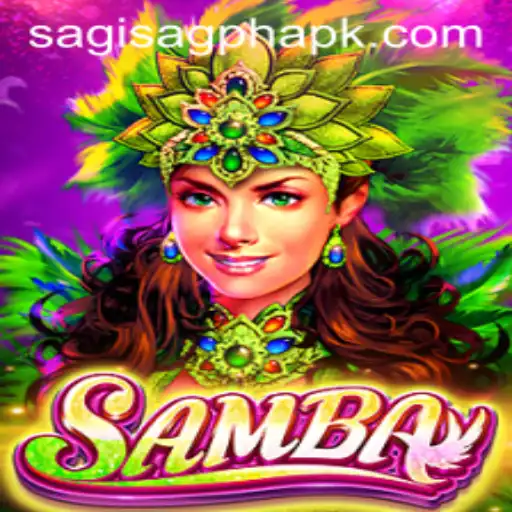

Samba is an exhilarating game that blends elements of rhythm, strategy, and cultural richness. Often mistaken for the traditional Brazilian dance of the same name, Samba the game has carved its niche in the gaming world, providing players with a unique blend of excitement and challenge. This game draws inspiration from the vibrant and energetic nature of its namesake dance and innovatively adapts it for a gaming experience that is both engaging and thought-provoking.
Samba emerged as a creative manifestation of cultural appreciation, designed to encapsulate the essence of joy and rhythm inherent in Brazilian samba dance. Its introduction to the gaming market was marked by an enthusiastic reception, as players were intrigued by the possibility of experiencing a game that integrates dance-akin movements in a strategic framework. This game has gained traction not only for its unique gameplay but also for promoting cultural connectivity.
In the backdrop of recent global shifts toward cultural inclusivity, Samba has found its place as a tool for cultural exchange. Enthusiasts and players across different continents have embraced the game, making it a medium through which cultural stories are told. This aligns well with the objectives of platforms like sagisagph.com, which prioritize cultural representation and community engagement.
Samba is structured around a set of rules that require both rhythmic prowess and strategic thinking. Players assume the roles of dancers competing to impress the ever-watchful audience, symbolized by judges within the game. The primary objective is to garner the highest score by executing a series of dance moves in synchronization with the rhythm and strategically outmaneuvering competitors.
Each round of Samba presents players with rhythm challenges that simulate the cadence of traditional Brazilian music. Players must successfully mirror these patterns using a series of pre-defined dance moves coded into the game. Points are awarded based on precision, speed, and the complexity of moves performed.
The game progresses through multiple levels of increasing difficulty. Early levels introduce players to fundamental dance steps and rhythms, building a foundation for more intricate sequences. Advanced levels demand quicker reflexes and strategic planning as players encounter complex rhythms that require carefully timed inputs.
Beyond rhythm, Samba integrates strategic gameplay elements to keep players engaged. Tactical decisions become crucial when choosing dance moves to counteract or capitalize on an opponent's performance. With a limited pool of moves available in each round, selecting the optimal sequence that adapts to the evolving rhythm is a key determinant of success.
Players can also earn bonus points by executing perfect synchronicity or by creatively weaving in less common dance steps. This encourages innovation and mastery of all available moves rather than reliance on a standard set. The strategic element shifts Samba from being purely a rhythm-based game to a complex competition that challenges cognitive and reflexive skills.
Samba has notably impacted global gaming culture by bridging dance-inspired gameplay with strategy, appealing to a broad audience. In the current landscape where gamers increasingly seek diverse and culturally relevant experiences, Samba stands out as an exemplar of how games can be both entertaining and educational.
The game has been at the forefront of discussions surrounding cultural representation in media. By incorporating elements of Brazilian culture, Samba not only entertains but also educates players about the rich traditions of the country. It aligns with initiatives like those at sagisagph.com, which support diversity and inclusion, further cementing its place in cultural dialogues.
Moreover, Samba has become a social activity that fosters community relationships. Online multiplayer features allow players to engage with individuals worldwide, creating bonds over shared experiences and competitions. This capacity to connect people internationally underscores the potential for games like Samba to act as vehicles for social interaction and cultural exchange.
As Samba continues to evolve, it holds the potential to influence the development of games that prioritize cultural themes and strategic depth. Its success demonstrates the viability of complex gaming experiences that go beyond mere entertainment, pointing towards a future where games are tools for learning, connection, and social change.
Developers are already exploring expansions and sequels that could introduce new dance styles and cultural elements, broadening the scope of the game. This will likely attract more players who are eager to explore different cultural narratives through gaming. As the world becomes more interconnected, games like Samba pave the way for a new era of culturally-enriched digital experiences.

An in-depth exploration of the captivating game PapaiNoeldaFortuna and its thrilling gameplay experience
An in-depth exploration of the exciting arcade game FruitNovaSuper80, covering its unique features, gameplay mechanics, and strategies to win.
Dive into the captivating universe of PokiWild, a thrilling game sweeping players off their feet with its engaging gameplay and unique storyline.
Dive into the captivating world of GemSaviourConquest, a game that blends adventure, strategy, and fantasy.
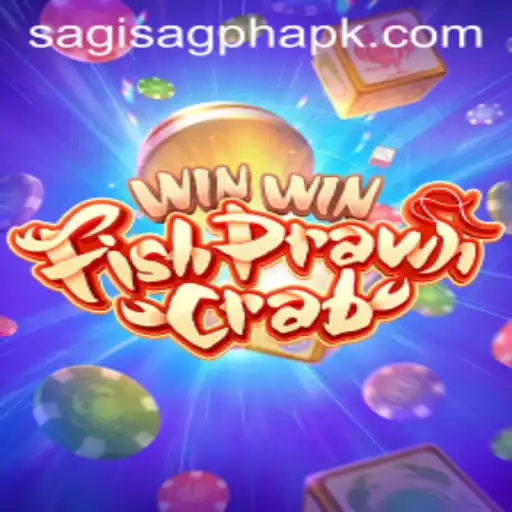
Dive into the vibrant world of WinWinFishPrawnCrab, a captivating game blending traditional elements with modern excitement. Discover its origins, rules, and cultural significance today.

Explore the magical realm of NekoFortune, a captivating game blending luck and strategy in a feline-themed adventure.
